
2022.02.22
How to use files: A must-know for people who are not good at organizing documents
According to a survey conducted by KOKUYO in January 2022, people spend an average of 13.5 minutes a day searching for things. This equates to 54 hours a year. In this article, we will introduce how to organize documents, a common type of searching, taking into account the characteristics of files and tips.
"I'm sure that document is somewhere, but where is it?" (Rustling, rummaging...)
I'm sure every working adult has experienced at least once the situation where they thought they would need a document, but then couldn't find it when they actually needed it.
The benefits of organizing documents
According to a survey* conducted among followers of the official Instagram account "KOKUYO no Bungu," the average time spent searching for something at work is 13.5 minutes per day. This translates to 54 hours per year. (*January 2022, N=484)
In fact, four years ago in 2018, a survey was conducted on the amount of time business people spend searching for documents, and the results showed that it was an average of 20 minutes per day, which equates to 80 hours per year.
Although the amount of paper documents themselves is decreasing due to the COVID-19 pandemic and digitalization, it still takes up a considerable amount of time.
This time, I would like to talk about organizing documents, which is a typical example of "finding things." Organizing documents is not difficult at all if you have a few "tricks" and well-designed "tools." Take this opportunity to get the hang of it and use your 54 hours a year more effectively!
The basics of document organization
This is not limited to documents, but one common characteristic of people who are not good at organizing is that they have a lot of things they don't need. Before you start organizing, first separate the things you need from the things you don't need.
Throw away unnecessary documents
If you've stuffed a clear folder full of documents and the corners of the documents sticking out are scuffed or bent, try looking through everything inside. Are you still holding on to documents from projects that have already been completed, or documents stored on your computer? Shred or recycle any documents you don't need to keep in paper form.
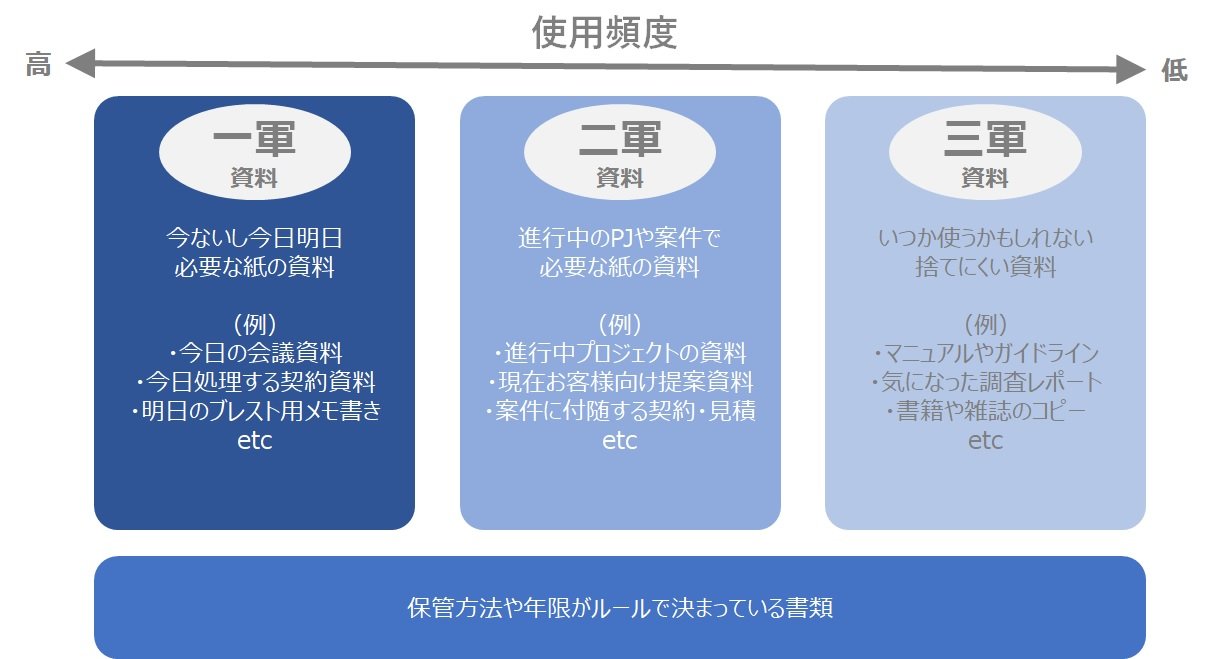
Sort necessary documents by frequency of use
The remaining documents will be sorted by frequency of use.
First, the first batch of documents are the documents that are needed right now. This group includes documents related to ongoing cases and projects, as well as documents related to procedures that need to be completed today or tomorrow.
The next group of documents are the documents that are occasionally needed. These are documents related to systems and regulations, manuals, and other documents that you don't see every day but are definitely needed.
The last type of third-string materials are materials that you don't plan to refer to at the moment, but you feel like they might be useful someday. They're not stored as data on your computer, and if you throw them away, you won't be able to get them back. If you're hesitant to throw them away, don't force yourself to do so. Just keep them as third-string materials for now.
In addition, for documents that have storage rules or retention periods set by law, company, or organization, you should of course organize them according to the respective established rules.
Recommended document organization methods
Once you have separated your documents into categories based on frequency of use, organize them according to how frequently you use each item.
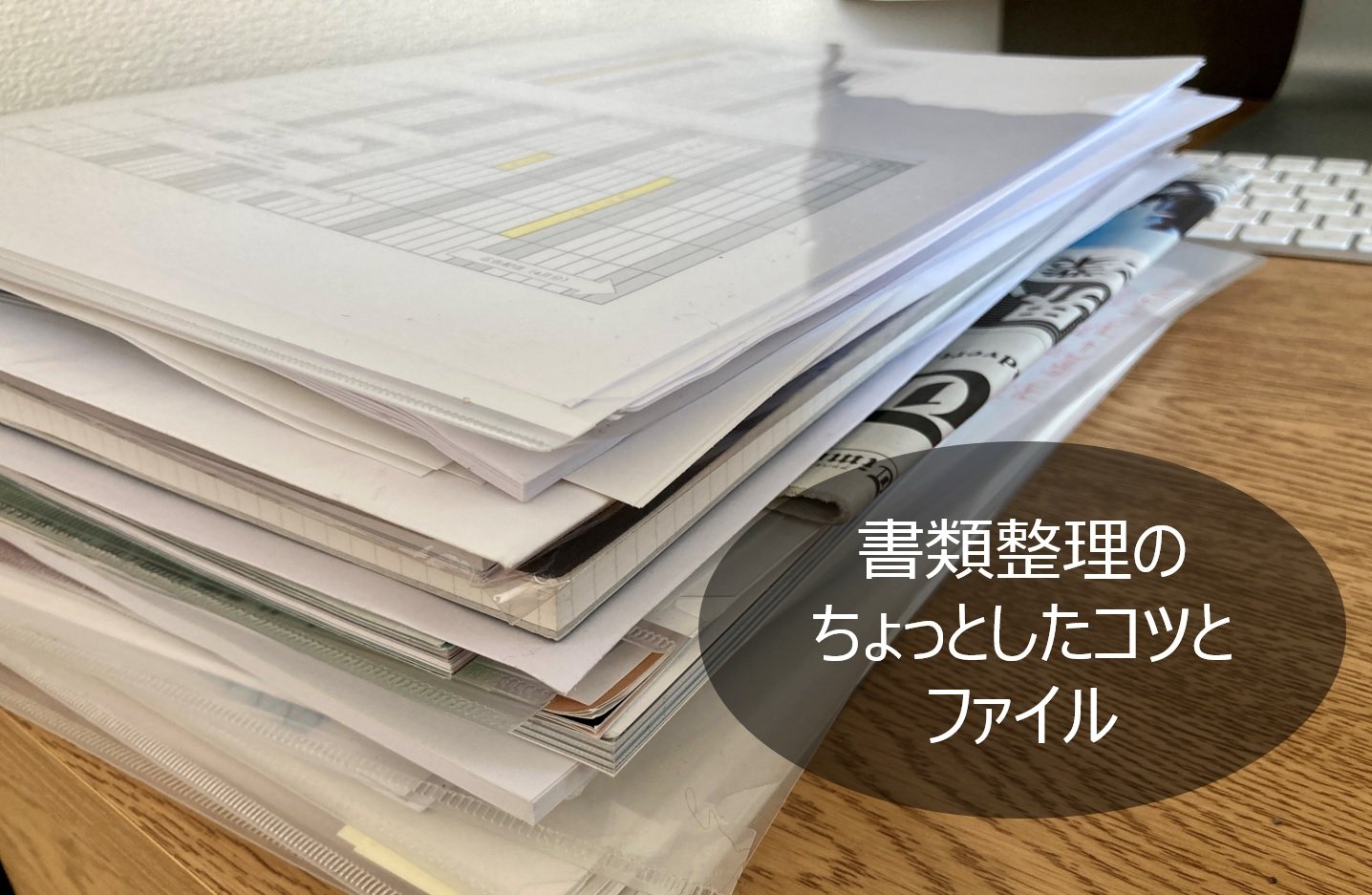
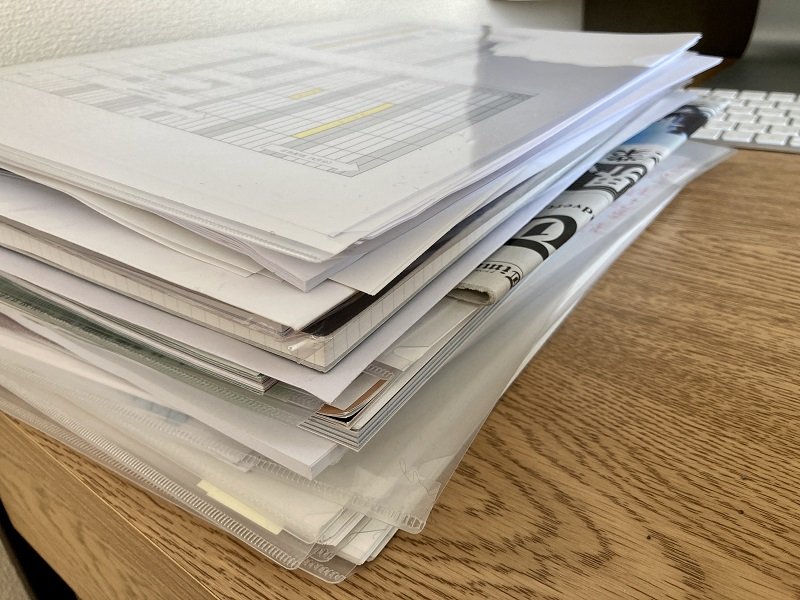
This time, we will be organizing the pile of documents that has somehow accumulated on the desk of a Kokuyo employee (who works half in the office and half from home) at home.
First-team materials for immediate use
① Separate by project and put in a clear folder
For documents that are needed now or for today's work (and will be discarded once completed), it's best to quickly sort them using readily available items.
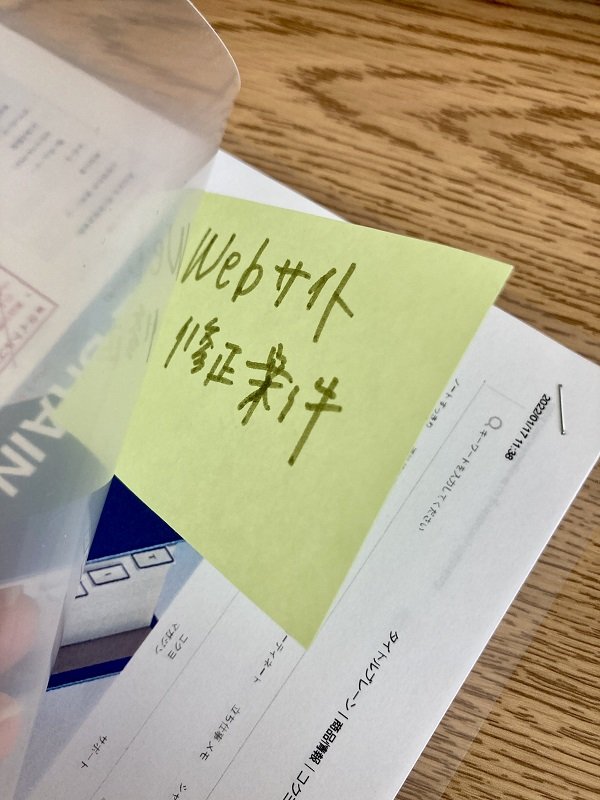
If you don't need to categorize things, you don't have to, but if you do, try using sticky notes.
What I often do is write the name of the project on the back of a sticky note and stick it on the inside of the clear folder. This is enough for the immediate documents.
② Carry and use documents like a notebook
When we say documents, we don't just mean printed documents. For those who often use A4 white copy paper to organize their thoughts or sketch ideas, we would like to introduce products called ``Clip Note'', which was released in the Bizluck series last year.
It's easy to use: just place your documents in a sturdy PP file that's much thicker than a clear folder, and secure it with the clip that comes with the file.
Structurally, it is the same as the "railed clear folder" often used for proposal documents, but since the clip part is fixed to the file, it makes the clamping process much easier.
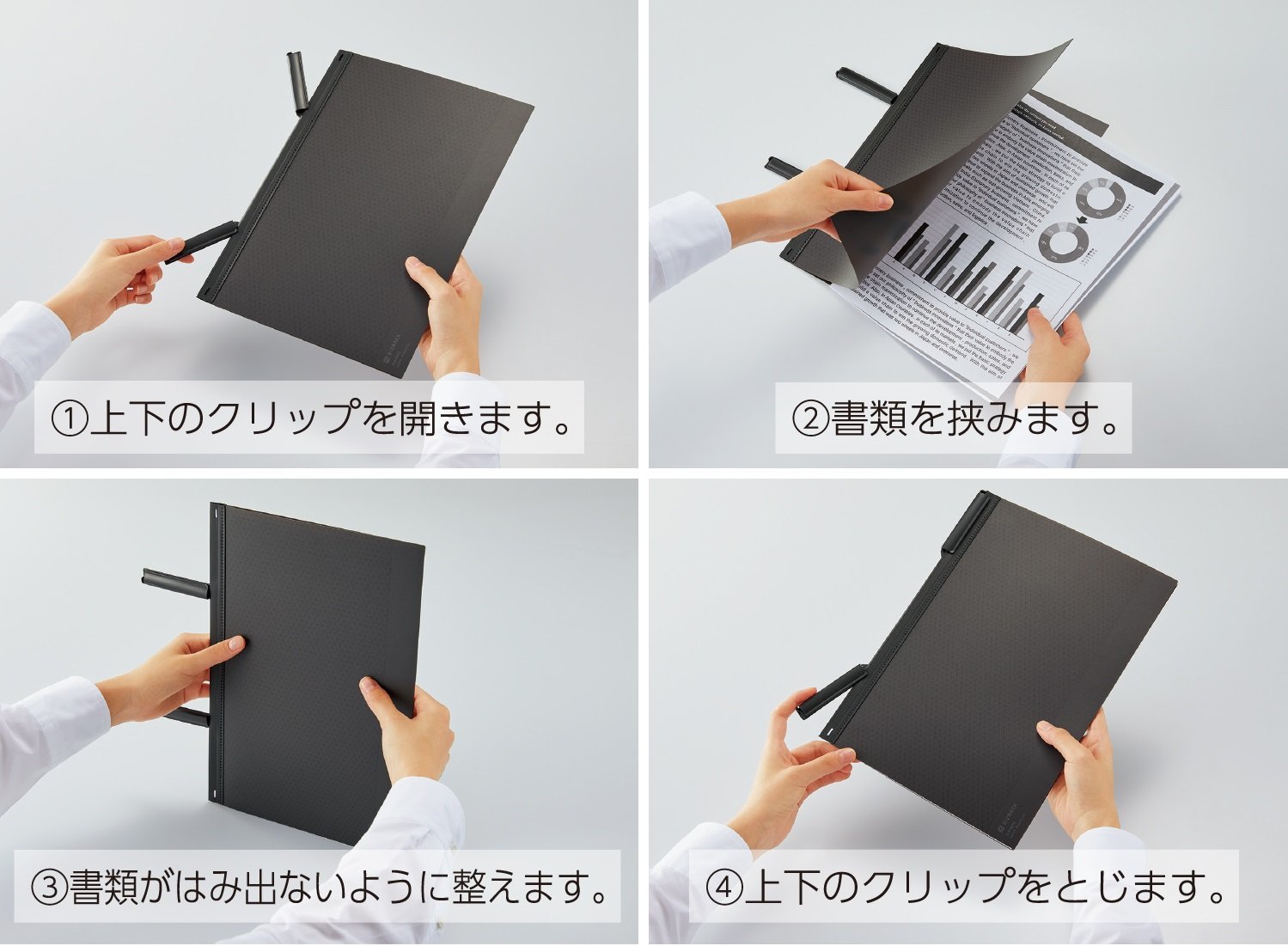
You can organize your documents by creating a notebook for each project.
Recently, more and more people are able to flexibly choose where they work. Basically, it is convenient to take out only the documents you think you will need today from the documents you keep at home and carry them with you.
Second-string materials that I occasionally refer to
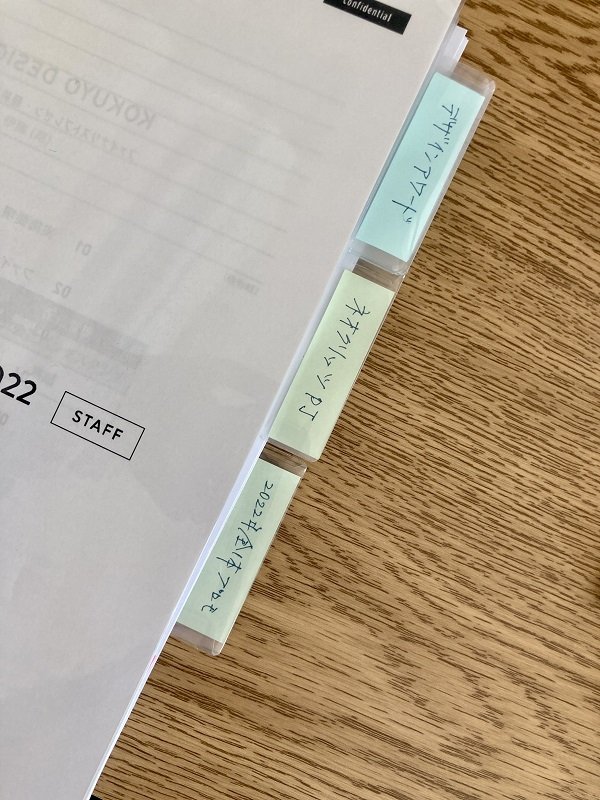
It's not something I carry every day 2 Weeks 1 It takes about a month to organize the necessary documents. "Index Holder" from KaTaSu series We use.
The index part is sized to fit commercially available sticky notes, and it's easy to insert and remove, but it doesn't come off easily, so it's three great things at once. You can organize your documents easily and neatly.
You can use regular sticky notes, so there's no need to buy index stickers.
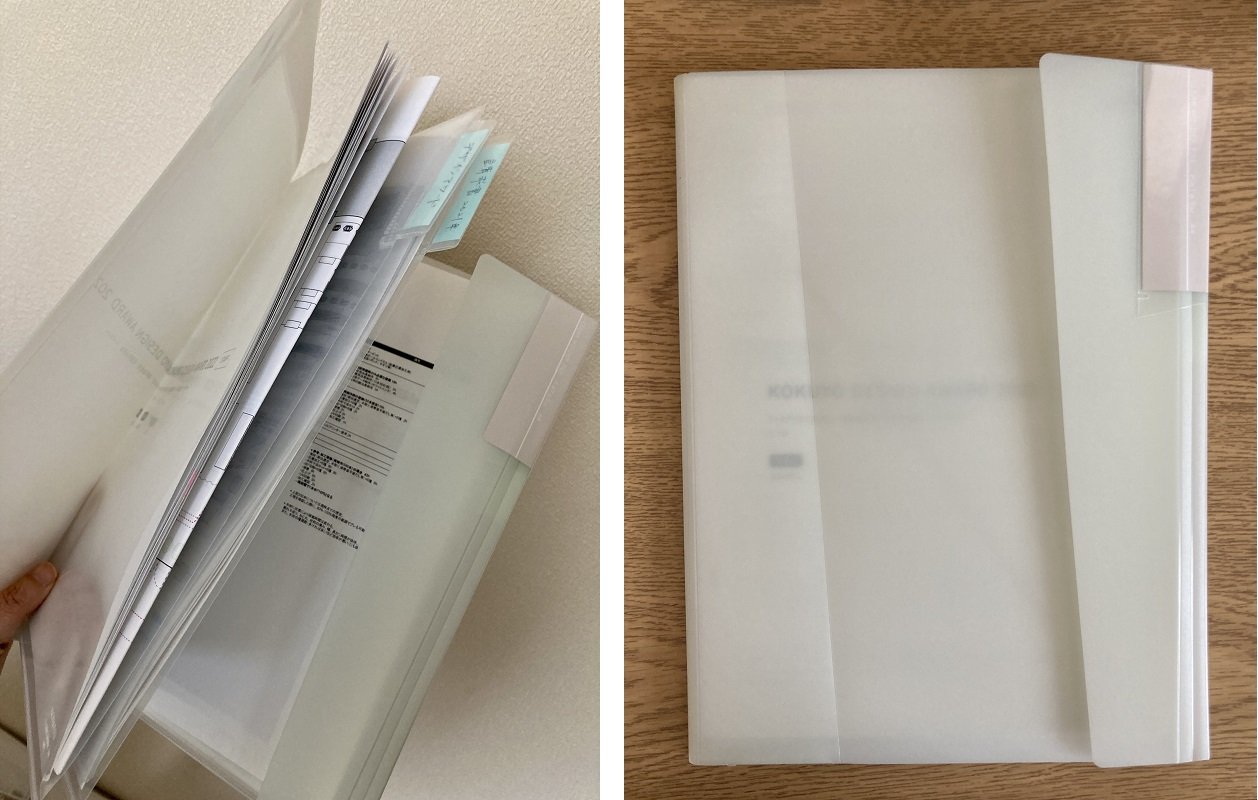
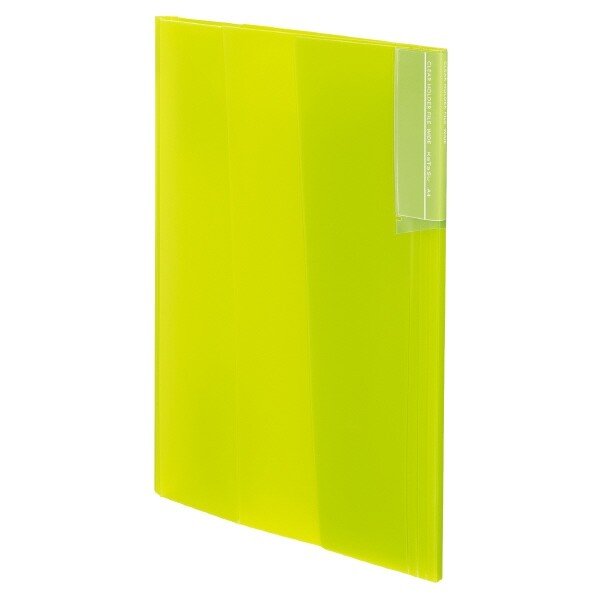
Furthermore, if you use the "Clear Clear Holder File" from the same KaTaSu series, it's easy to carry documents. All you have to do is put the documents in the "Index Folder" into this "Clear Clear Holder File." It 's not something you use every day, but it's a handy item to have on hand in case of an emergency.
Possibly useful military documents
Materials that you "don't know if you'll use, but are keeping anyway" tend to be forgotten. Just to be safe, when classifying them, use index holders or similar to Index, just like with second-tier materials.
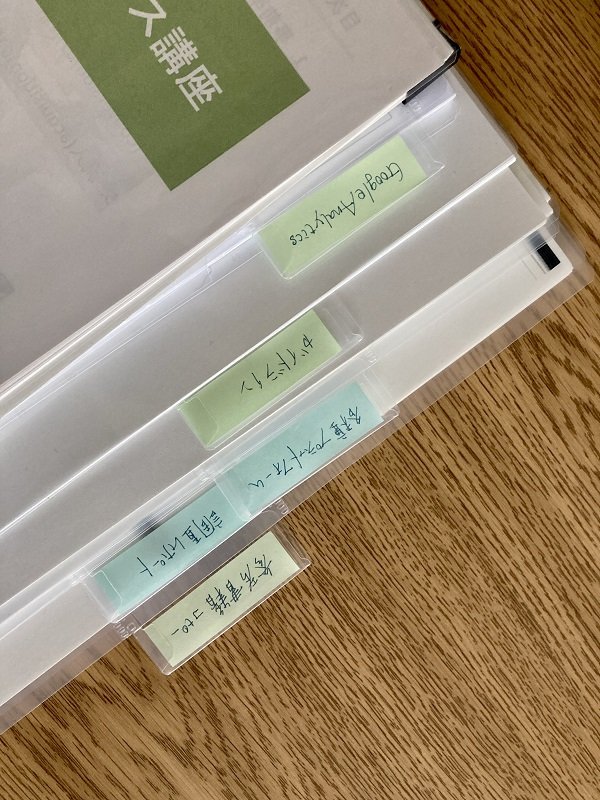
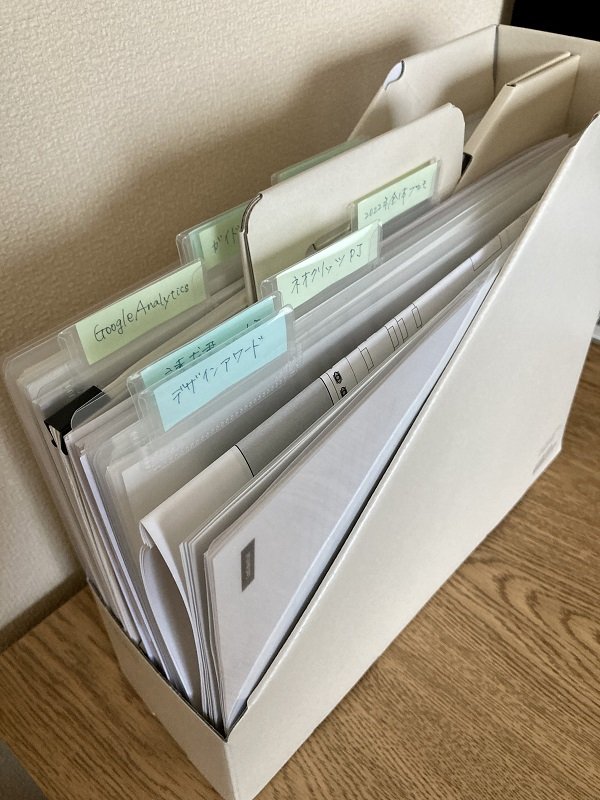
After that, they are stored together in a file box or similar as a place to store all the documents from the three military departments.
This time, I used a KaTaSu series file box with dividers to place my second-tier documents at the front and my third-tier documents at the back.
By the way, this file box has a handle, making it easy to take in and out of the cart drawer.
If you use it at home, it can be easily moved from your desk during work hours to a footwell or shelf after training.
In addition, you should review the contents of your third-tier documents once every six months to a year.
According to the American National Records Management Council, only 10% of documents are used six months after they are created (acquired), and only 1% are looked back at after one year. The remaining 99% of documents are no longer needed. This is known as the "Namreco Law," an acronym for the research organization.
We often hear that clothes that you haven't worn even once in a year should be thrown away or recycled, and the same goes for documents.
How to stay organized for a long time?
Decide where to store your documents
It is important to decide where (address) to store documents for the first, second, and third teams.
For example, give each document an "address," such as first-rate documents in your bag or the front of your desk drawer, second-rate documents at the front of your file box where they are easiest to access, and third-rate documents at the back of the box.
Make it a habit to put things back where they were after work
To avoid the situation where you have decided on an address for something, only to have it pile up on your desk as "addressless" without ever being returned to its original location, make sure to return it to its original location after work.
You might think it's a bit of a hassle, but if you make this "little bit" a habit, you might be able to use the time you previously spent searching for documents more freely!
Please give it a try!
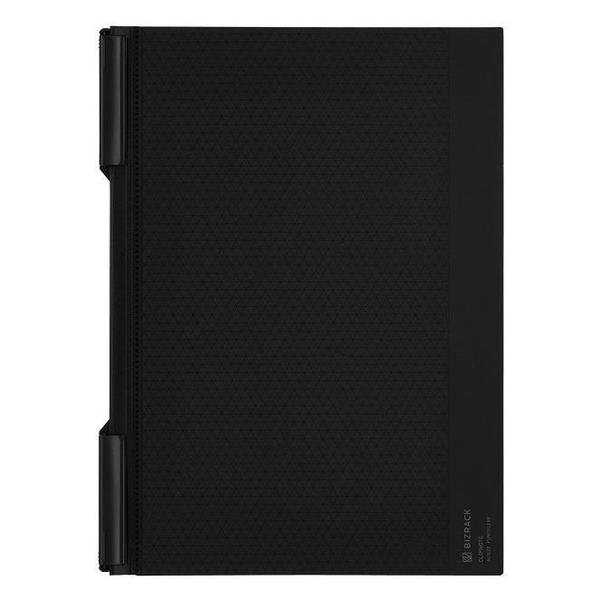
Clip Note (Bizlac)
By clipping documents or copy paper into it, you can use it like a notebook.

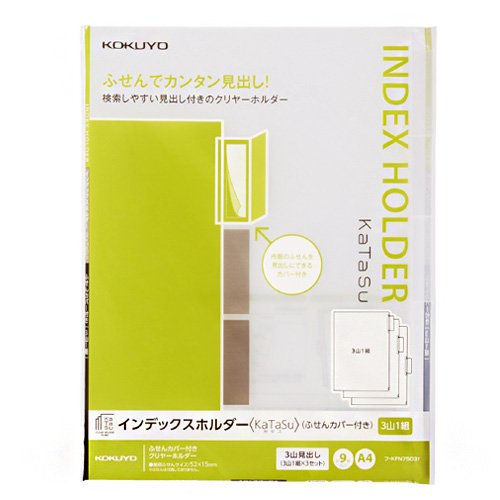
Index holder (KaTaSu)
A clear folder that can be indexed using commercially available sticky notes
Clear Clear Holder File (KaTaSu)
By placing a clear folder inside, you can easily carry documents!
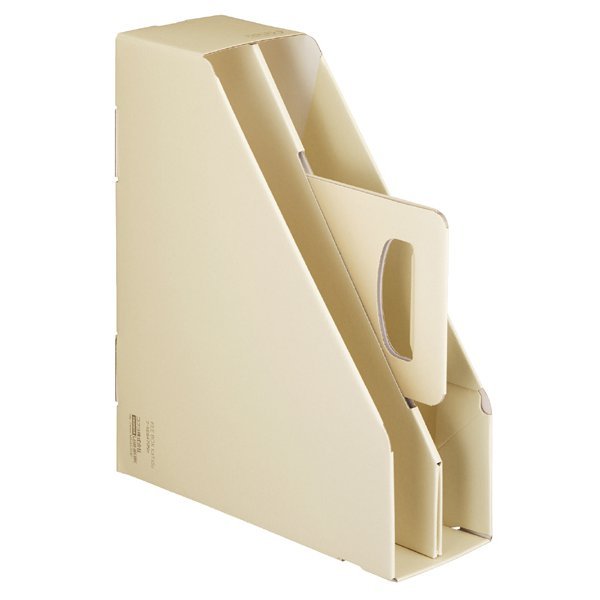
File box with handle (KaTaSu)
This file box has a handle, making it convenient for taking things in and out of drawers and desks.